Although thousands of writers have used the power of the pen, to put down their ideas on paper, in many different ways about the Serengeti national park, their work may be summed up in a few words only: from the wildlife point of view “The Serengeti national park remains the most unique area in the world”.
Serengeti – a name that seems to conjure up all that is wildest in wildest Africa is the oldest, second largest and best known national park in Tanzania. Admittedly, over the years it has been at the forefront of international research on various ecological monitoring programmes and other related disciplines leading to ecosystem dynamics as well as the development of conservation management. This be chunk of land with an area of 14, 763sq km was first protected in 1921 and it became the first national park in 1951. Its Diamond jubilee was celebrated in January 1981.
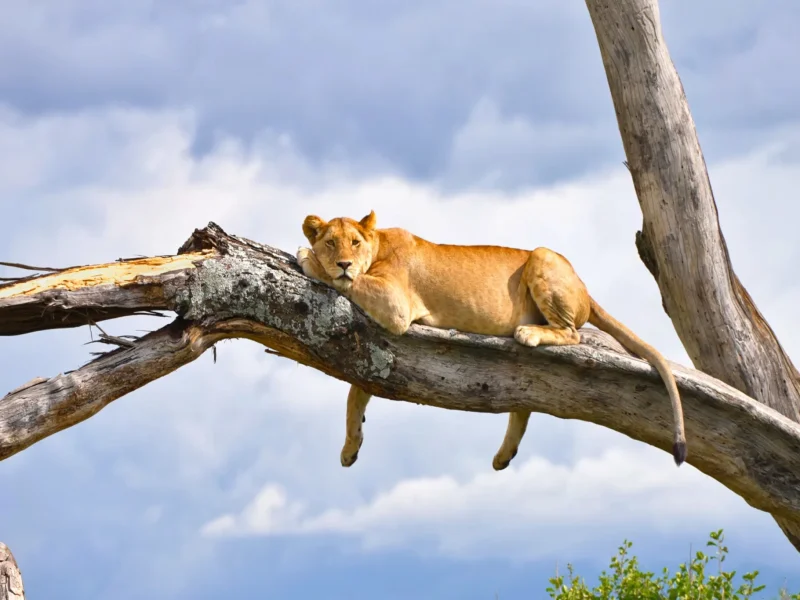
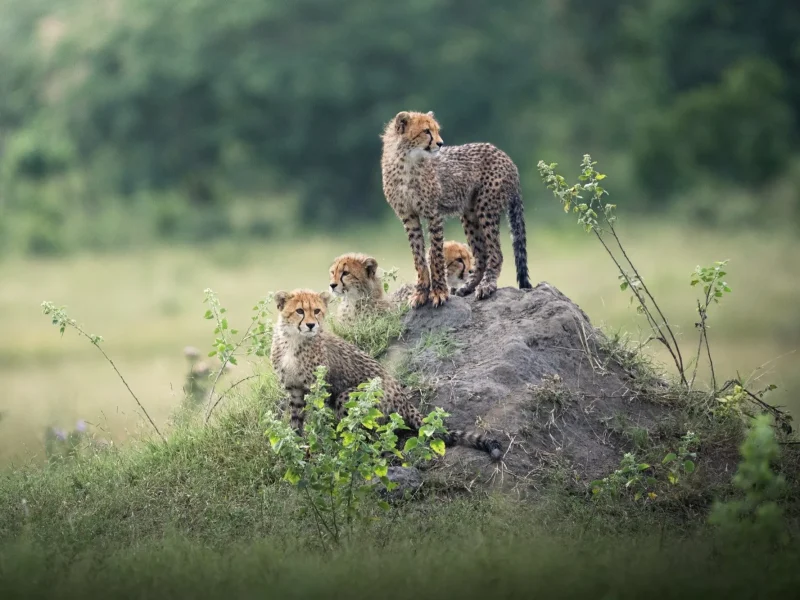
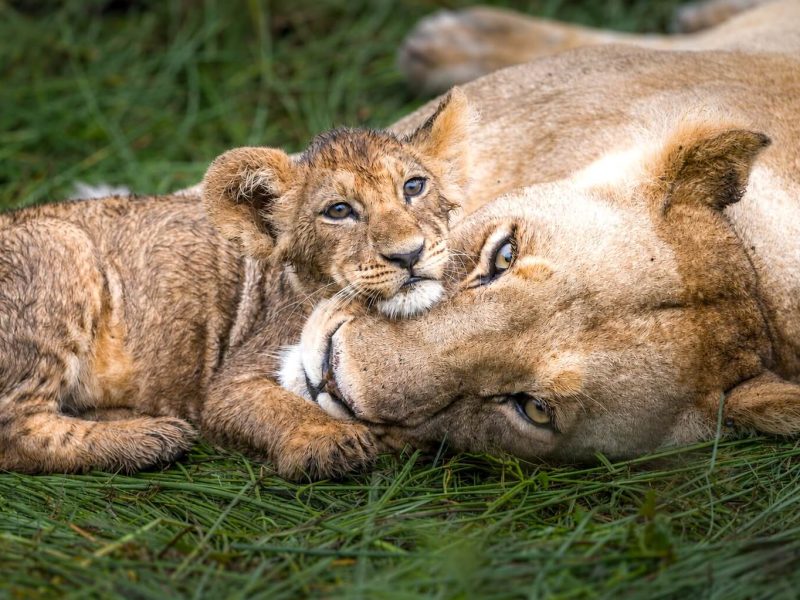
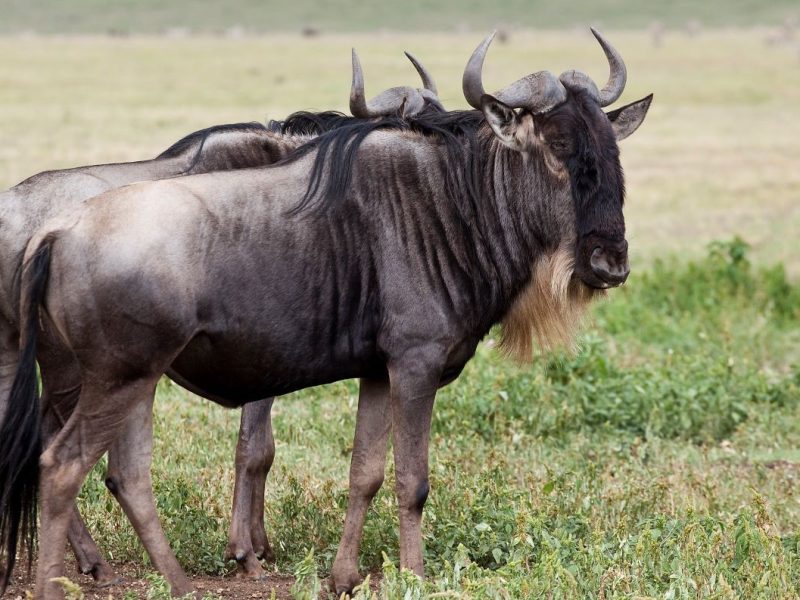
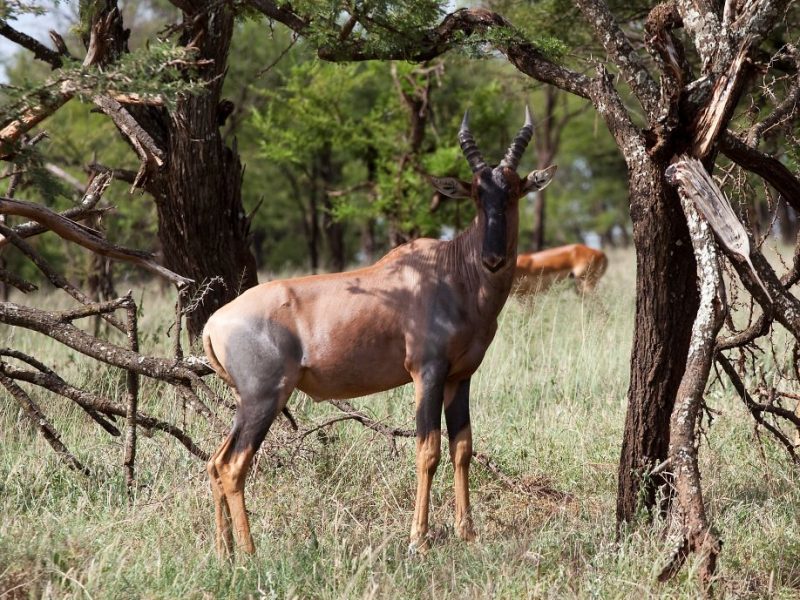
The Serengeti national park is a host of many scenic features. Take the grassland savannah plains for instance; these extensive treeless short grassland plains are repository for calving wildebeest. From December to may each year, up to two million ungulates graze in the area. However, apart from ungulates, the park has about 7,500 hyenas and 2,800 lions in a spectacular setting. In total, there are over 10,000 predators including cheetah and leopards.