
At times, you may hear ancient stories of the wildlife and ancestral tales that attempt to explain natural phenomena. The intrinsic value of Tanzania cultural tours is the opportunity to learn about a people who, at first, may seem to be different, but as you learn about them and their natural environment, you will realize that people are not very different from one another.
We hope that you will find these cultural tours in Tanzania are both enjoyable and memorable. Please note that there are no itineraries for Tanzania culture; however, you may request that one or more programmes be included in your custom/tailor made itinerary.
Small world of travelers Tanzania is delighted to offer the following Tanzania cultural tourism to visitors who wish to conjoin their safari adventures with a human element.
Cultural tourism in Tanzania are attractive because they allow tourists to have a deeper understanding of the people living in and around the national park areas. You will learn, first hand, the customs, the traditions and the cultures of villagers and come to appreciate their way of life.
In many areas, rural life is an attraction on its own. Carefully cultivated plots and lush tropical vegetation form a backdrop for simple traditional houses. Women in colorful dresses carry buckets of water and bunches of firewood back home. Villagers participate in development projects, from irrigation systems to primary schools.
The people are willing to receive tourists and show them daily life, culture and scenery in their villages. They see tourism as an activity that can create employment and generate income, which can be used for improving their living conditions.
Cultural tourism refers to a form of tourism in which local people are closely involved. They design and organize the tours, show tourists aspects of the area in which they live and of their daily life.
During the tours, local people often show their development projects, like irrigation and soil conservation activities or income generating projects of women’s groups. Visitors leave the area feeling they have made new friends and with information on the many positive developments going on in rural Tanzania.
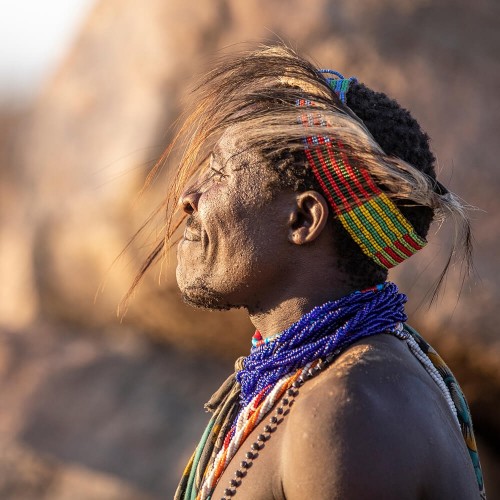
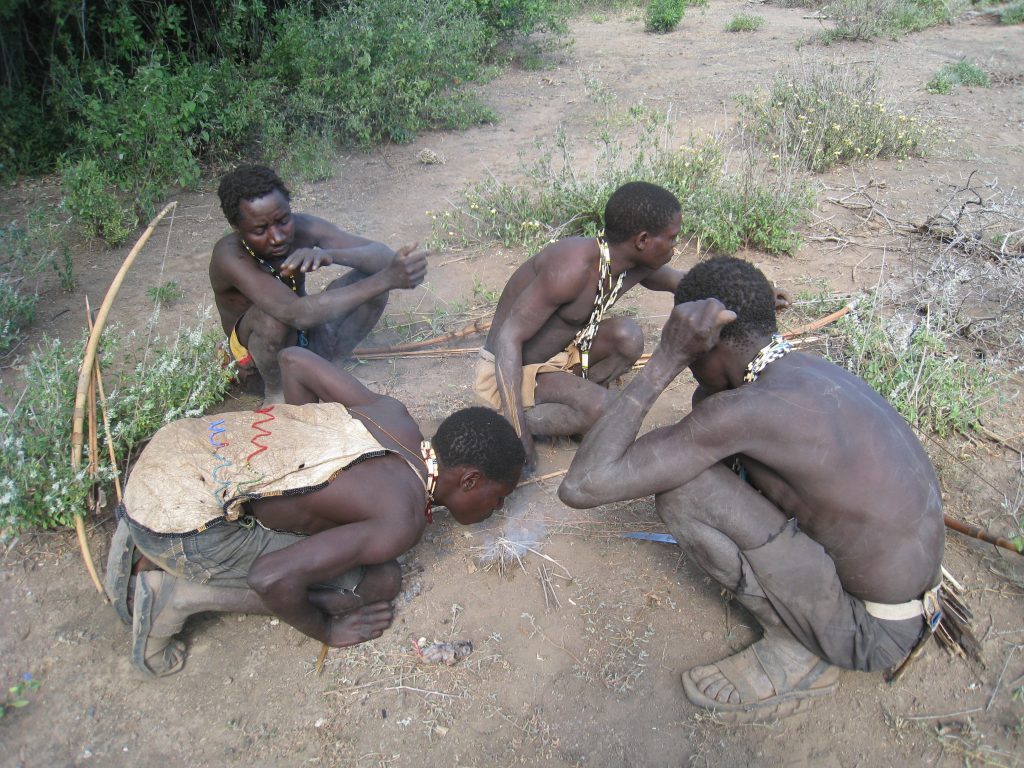
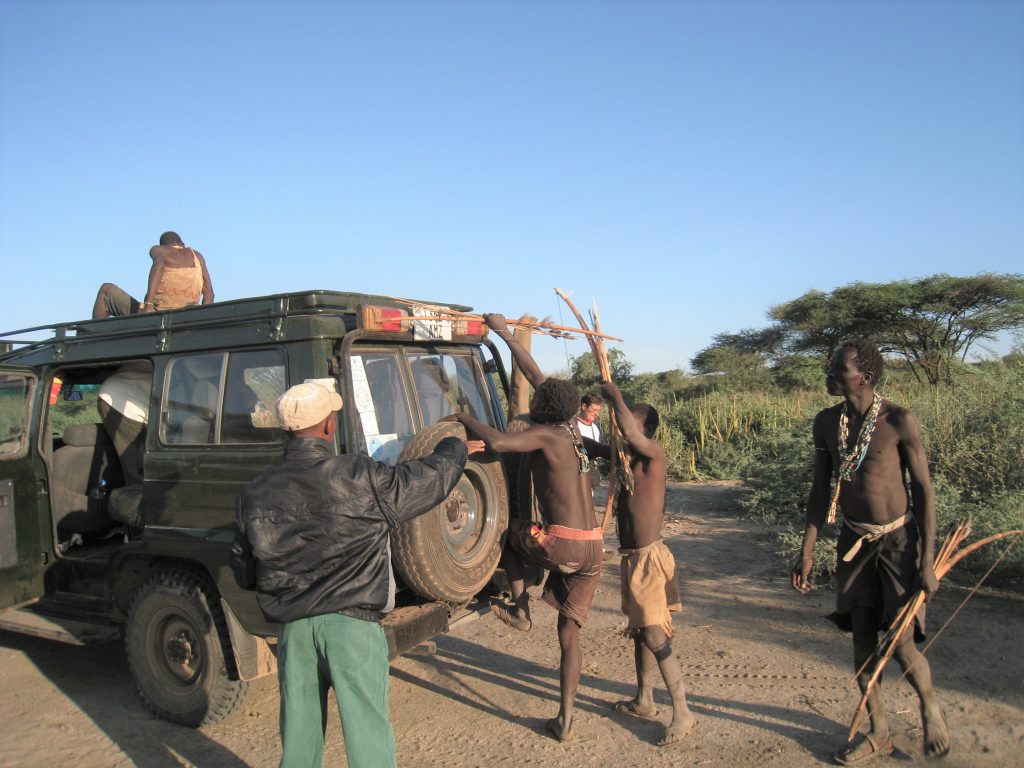
Their original name is HADZABE OR TINDIGA but they are also known as “bushmen” because they live in the forest. As one believes, they live in Tanzania for about 10.000 years and in this moment they are about 3.000 bosquimanos approximately in the whole country. Before they lived in the high mountains of the Area of Conservation of Ngorongoro but now they are usually in the surroundings of the lake Eyasi.
Their language resembles the languages of click of the bushmen in the south of the kalahari.
The Bosquimanos are monogamous and they usually live in small family nuclei. Most of them have never visited the doctor neither have gone to the school.
Their way of life is characterized to be nomadic. They live from the hunt and the gathering of fruits, roots and barks of trees. They hunt with arches and poisoned arrows that they build themselves and they are recognized by their great aim.
They usually hunt small animals as mice, hares, Dik-Dik and baboon, and big animals as kudu or buffalos…
They build their houses with branches, like an igloo, and cover them with skins of animals, and during the rainy season they move to the caves in the mountains.
They are very kind with the tourists because they like to show their way of life, which they feel very proud.
Datoga is the original name of the Mangati, word Masai that means strong” “enemies since they are old enemies of the Masai.
About 200 years “ago, the Datoga came from the south of Serengeti toward Ngorongoro and they meet in Ngorongoro they found enough food for their livestock, they decided to settle down in the area. Years later the Masai arrived, also from the south of Serengeti, and in Ngorongoro they met with the Datoga. The two tribes combatted ferociously, first the Datoga many Masai killed since they were very good with the arrows.
In a wedding mangati, the party begins one week before the wedding and it finishes later one week. During the party they kill five cows and several goats and those the women they make a lot of traditional alcohol of honey.
When the family head dies they make a similar party and they almost dance on the deceased’s tomb the whole night.
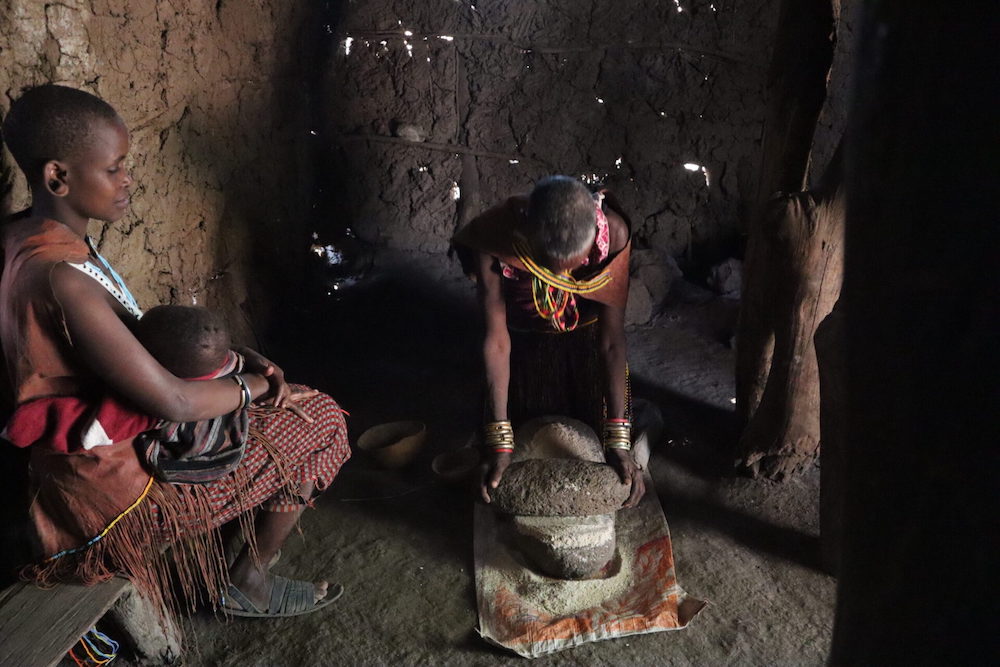
They build their houses with sticks, sand and cow manure. the roof is also with mud, contrary to other tribes that roof its houses with grasses. Inside the house there are two or three rooms.
The room of the parents has a small window so that they pass the light and the smoke and two beds made with cow skin or of goat and trunks.
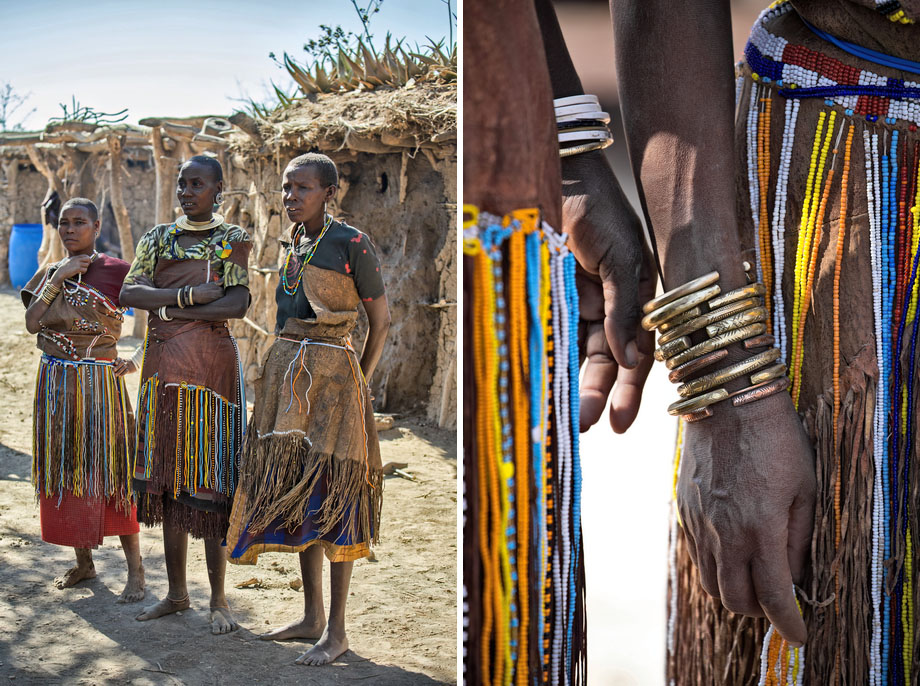
Their dresses, facts with skin of animals, are very attractive and they are adorned the body with necklaces
Who are they?
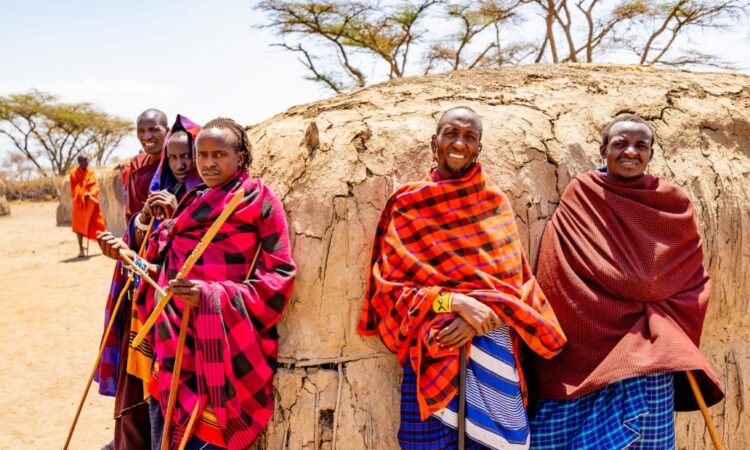
The Maasai, famous as herders and warriors, once dominated the plains of East Africa. Now however they are confined to a fraction of their former range.
How do they live?
For the Maasai, cattle are what make the good life, and milk and meat are the best foods. Their old ideal was to live by their cattle alone – other foods they could get by exchange – but today they also need to grow crops.
They move their herds from one place to another, so that the grass has a chance to grow again; traditionally, this is made possible by a communal land tenure system in which everyone in an area shares access to water and pasture. Nowadays Maasai have increasingly been forced to settle, and many take jobs in towns.
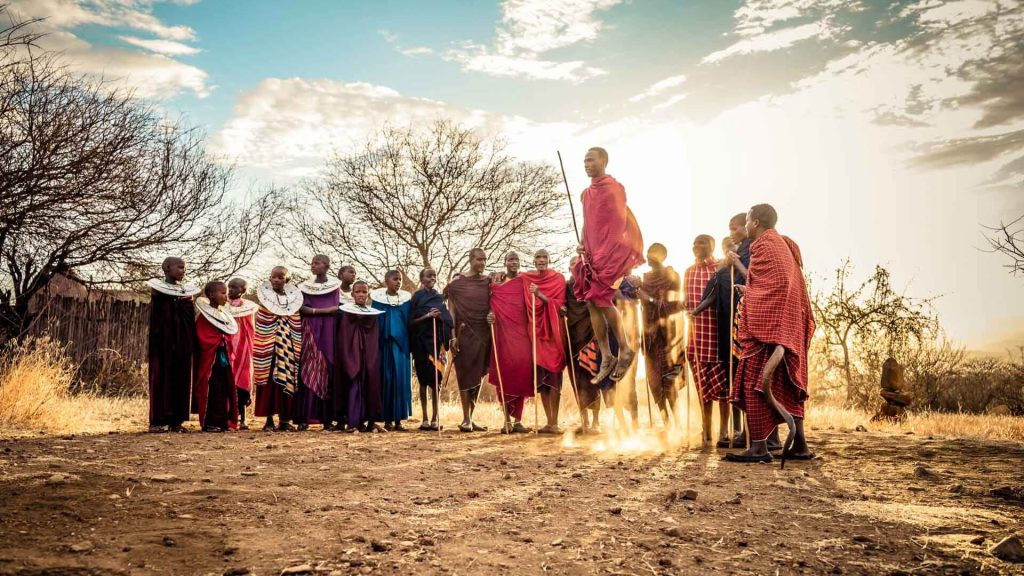
Maasai society is organised into male age-groups whose members together pass through initiations to become warriors, and then elders. They have no chiefs, although each section has a Laibon, or spiritual leader, at its head. Maasai worship one god who dwells in all things, but may manifest himself as either kindly or destructive. Many Maasai today, however, belong to various Christian churches.