

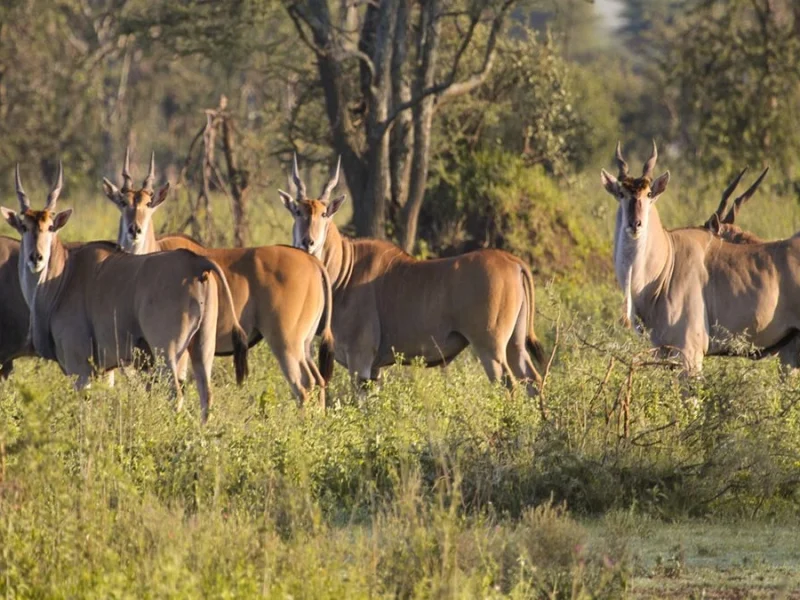
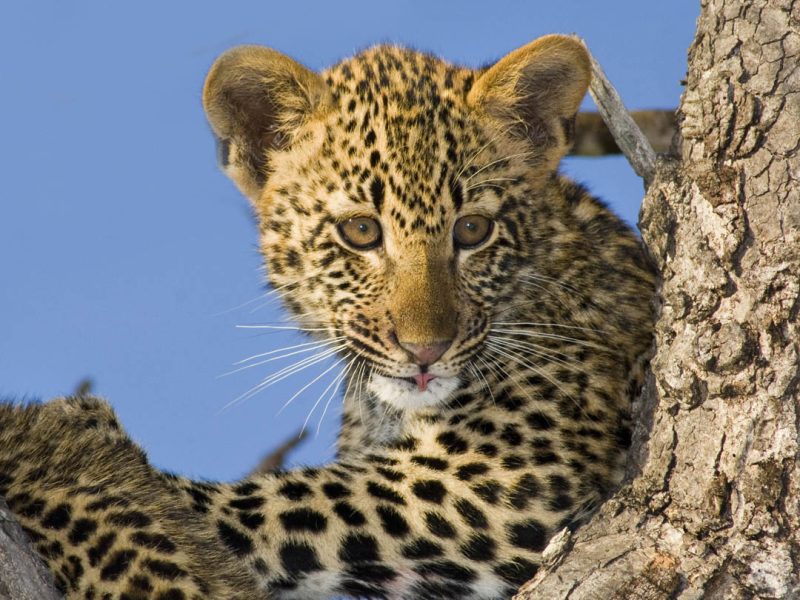
There is nothing with which to compare, It is one of the wonders of the world….” once wrote Professor Bernard Grzimek. The crater floor is covered with plains animals, including wildebeest, zebra, gazelles, elands, rhino, and a large predator population of lions, hyena and jackal which can all be viewed at close quarters. Cheetah and leopard can also be seen here. The rainy season is between November and May.
The altitude at the crater rim is about 2286 metres above sea level, and temperatures can get quite chilly in the evening. Ndutu Plains and Gol Kopjes(serengeti) January – March For People who have been in Tanzania from December to March they know these places. From a normal tourist and journalist to photographer. Is like a carpet of wildebeests decorated with zebras. Cats and hyena are playing rough drama. If you stay here for an hour you will be amazed by this nature and animal movements…
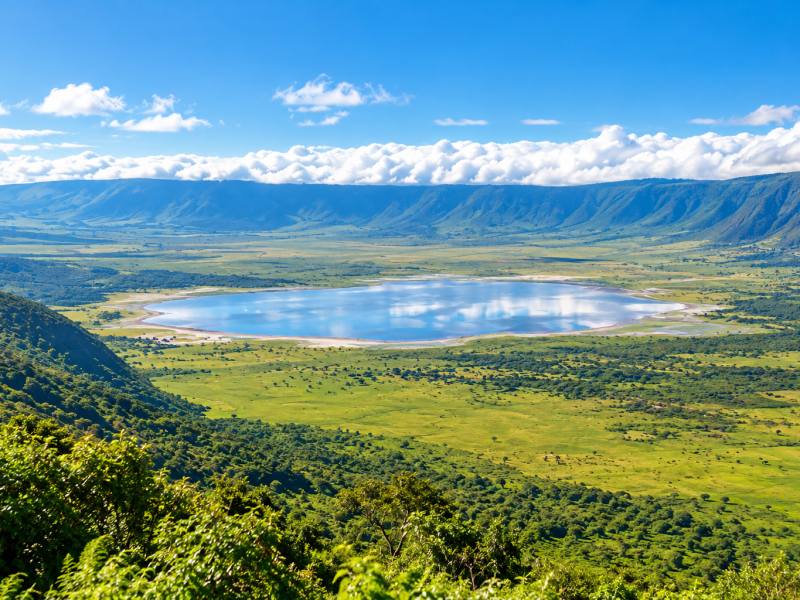
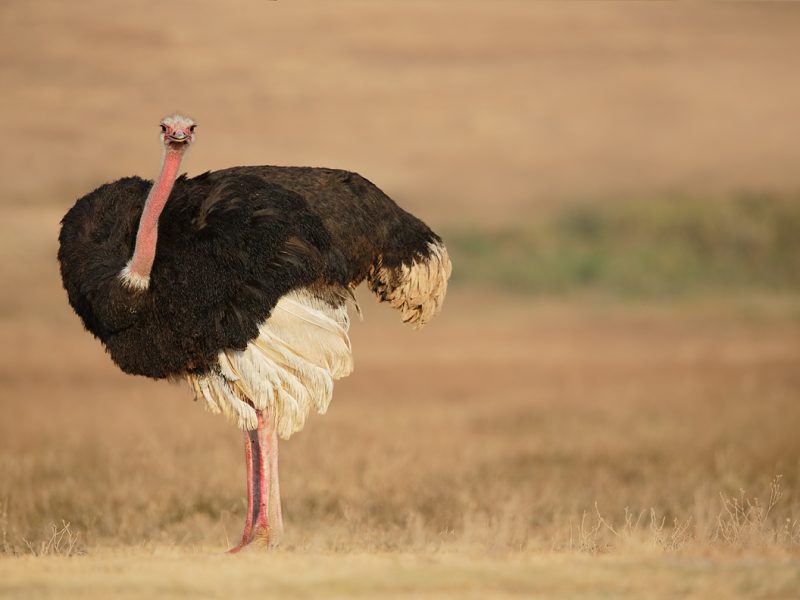
Ngorongoro Crater is one of seven World Heritage Sites designated in Tanzania and it is the world’s largest unflooded caldera. This means the entire rim of the old volcano is intact. The Crater is a memorable experience, while only 100 square miles in total, it also offers six distinct habitats: acacia forest, swamp, short -grass, long grass, riverine and woodland. Each habitat attracts a variety of animals.
NCA is also the world’s first multi-purpose land use experiment, combining tourism, research, archeology, wildlife management, grazing rights and farming. The rim of the Crater sits at 7,800 feet in altitude and the Crater floor descends to 5,000 feet above sea leave. The Crater is home to almost 30,000 animals in an area naturally enclosed by the slopes of the volcano.
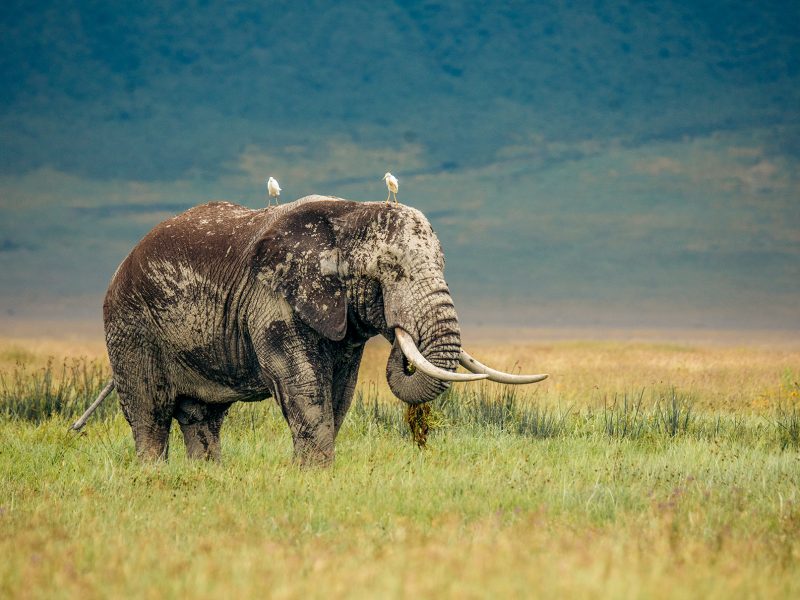
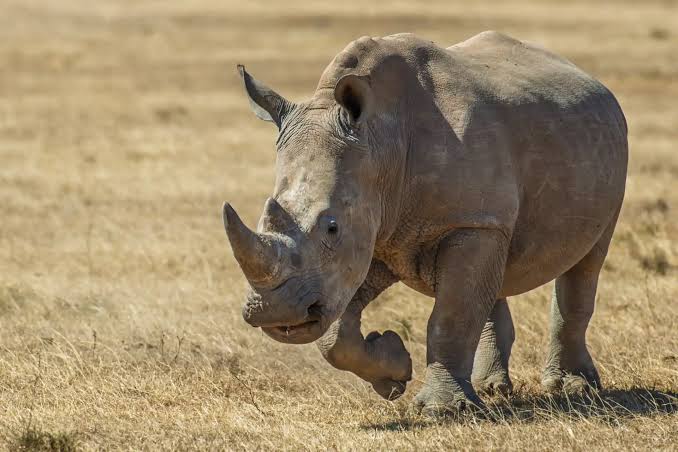
The Crater is the best location for viewing black rhino and the huge old bull elephants. There is not enough vegetation to support the large cow and calf herds, but the old males “retire” to the Crater for the wonderful swamp grass and acacia forest. The only animals you will not see in the Crater are the impala and giraffe. It is not known why impala do not inhabit the Crater, but giraffe are unable to descend the steep grade without lowering their heads, which raises their blood pressure to dangerous levels.
There is nothing with which to compare, It is one of the wonders of the world….” once wrote Professor Bernard Grzimek. The crater floor is covered with plains animals, including wildebeest, zebra, gazelles, elands, rhino, and a large predator population of lions, hyena and jackal which can all be viewed at close quarters. Cheetah and leopard can also be seen here.
The rainy season is between November and May. The altitude at the crater rim is about 2286 metres above sea level, and temperatures can get quite chilly in the evening.
Ndutu Plains and Gol Kopjes(serengeti) January – March
For People who have been in Tanzania from December to March they know these places. From a normal tourist and journalist to photographer.
They will always tell stories about this area. The migration is there as I’m sending this post. It is green and animals are spreading all over the area.
Is like carpet of wildebeests decorated with zebras. Cats and hyena are playing rough drama. If you stay here for an hour you will be amazed by this nature and animal movement. Because has been raining here you will see clean animals health and happy. It is famous as Maternity for Zebras and wildebeests.
The new calves are born and every mother is nursing a baby here. Is not a safe place for babies so every wilderbeests mama is very careful as Killers are everywhere. Animals are in action all the time. If you have been in Ndutu in Dry season you should see this now. This makes you see a new life of the dead.
Ndutu Lake is full of water and flamingos are dancing and singing. Flat top acacia welcome giraffe from all corners. Small creature are also there, the dung beetle fertilize the land and mix the soil. This is the most beautiful place in Africa.
A place to nature, a place to see ecosystem, a place you will need to conserve and a place you will need to stay. I wish everybody could visit this area. Here is the only place you will see beautiful Africa sunset and drinking giraffe love birds. I can still hear the voice of running wildebeest and the voice of ground hornbill.
The lake manyara national park is about 130km away from Arusha.It is accessible by the road in the southern direction to the famous twin world heritage sites – Ngorongoro and the Serengeti.
Serengeti – a name that seems to conjure up all that is wildest in wildest Africa is the oldest, second largest and best known national park in Tanzania.
Arusha national park has been expanded to include the mount meru forest catchment reserve annexed in 2004. It now has a total area of 552sq km.