

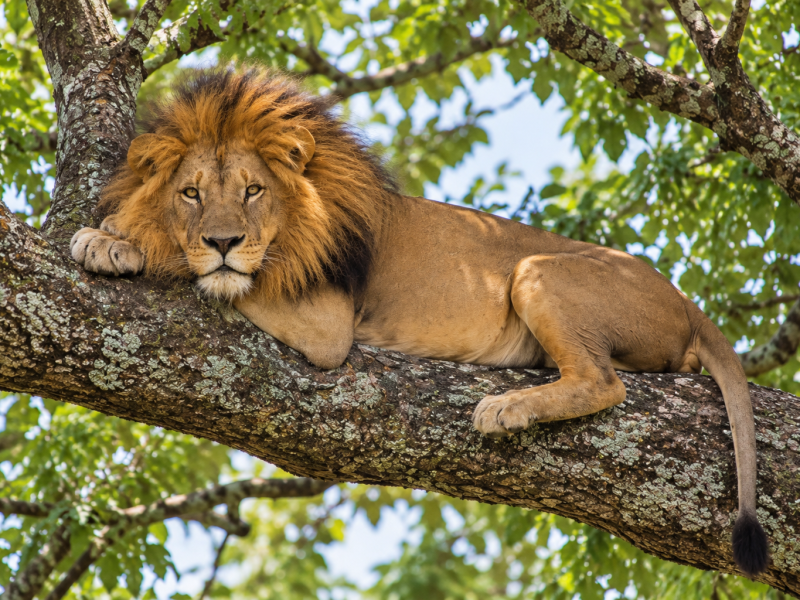
Lake Manyara National Park Set within the spectacular Great Rift Valley, Lake Manyara National Park is a beautiful destination celebrated for its diverse landscapes, rich birdlife and remarkable wildlife. The park is particularly famous for its tree-climbing lions, occasionally seen resting on the branches of large trees, offering visitors a unique and memorable safari experience.
Beyond wildlife, the surrounding area offers opportunities to discover local life and culture. Excursions and cultural activities can be arranged in the nearby Mto wa Mbu village, where visitors can experience traditional lifestyles, local cuisine, farming practices, arts and crafts, and interact with members of the local community.
Beyond wildlife, the surrounding area offers opportunities to discover local life and culture.
Excursions and cultural activities can be arranged in the nearby Mto wa Mbu village, where visitors can experience traditional lifestyles, local cuisine, farming practices, arts and crafts, and interact with members of the local community.
This canopy vegetation also contains shrubs, herbs and grasses which forms a good habitat for baboon, rhino, buffalo, crested guinea fown, hornbill etc. However, the ground herbage depends on the amount of sun light reaching fht forest floor.
One notable feature is that the groundwater forest fed by permanent streams which gush out from the volcanic rocks below the rift wall. Adjacent to the groundwater forest, there is the Acacia woodland. It has a total area of 1820 hectares and extends from msasa to bagayo River.
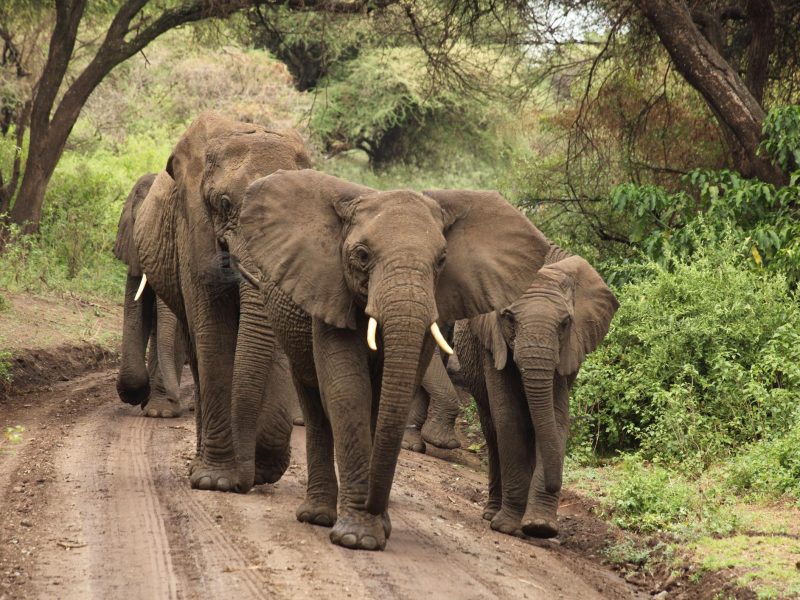
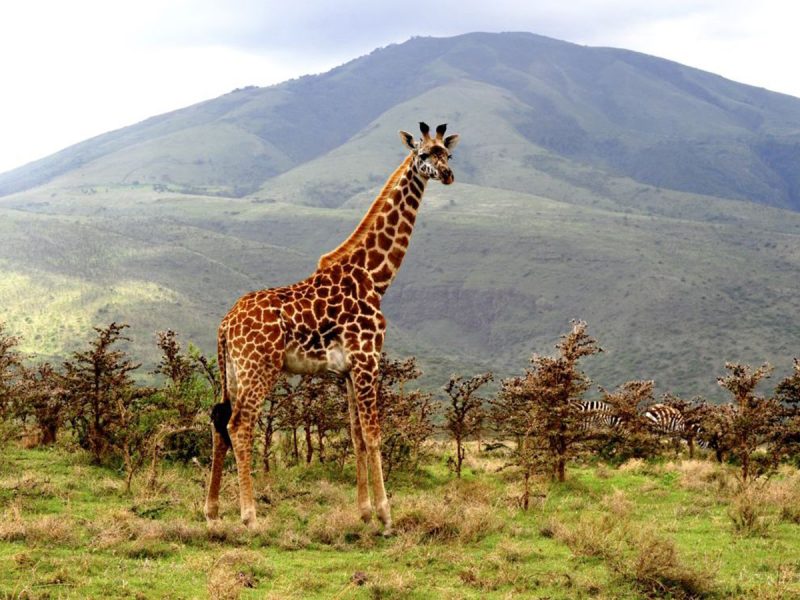
The dorminant tree species is the Acacia tortilis sperocarpa. There are also drought tolerant species such as balanite aegyptiaca, salvadorea persica, cordia gharaf, caparis tomentosa etc… etc. The vegetation is ideal for both grazers and browsers. Hence elephant, impala, buffalo and giraffe find this area to be their favourite ecological niche.
From Endabash towards the southern end of the park is the mixed woodland which covers an area of 2290 hectares. Also the common trees in this park include large baobabs (Adansonia digitata ) that occur throughout.
Elephants are common on the escarpment and are seen descending on the plains in the morning. And lastly, there is the swamp. This is an extensive area of swamp herbage which projects out over the lakebed flats. It also occurs in shallow basins of impeded drainage enclosed within the groundwater forest.
Typha angustifolia is the dominant plant in the swamp at the north end of the lake. Elsewhere around the perimeter, cyperaceae are dominant.
The average rainfall in the park is about 760mm. The long rainy season begins in march and continues through may. A heavy rainstorm sometimes may occur in april or may and this can cause temporary closure of some tracks in the park.
The mean annual temperature is about 22C. Lake manyara national park has one of the highest mammal biomass in the world. Elephants, with a density of six per square kilometer, and buffalo with a density of 18 per square kilometer comprised the bulk of this biomass.
The lake manyara national park is about 130km away from Arusha.It is accessible by the road in the southern direction to the famous twin world heritage sites – Ngorongoro and the Serengeti.
Serengeti – a name that seems to conjure up all that is wildest in wildest Africa is the oldest, second largest and best known national park in Tanzania.
Arusha national park has been expanded to include the mount meru forest catchment reserve annexed in 2004. It now has a total area of 552sq km.